Home

BusinessDigital MarketingFinanceGeneral ArticleGlobal NewsHomeTechnology

Why Australian Consumers Trust .AU Domains Over Global Extensions

When people in Australia scan a web address, they read quick signals about relevance and reliability. A local au domain places the business within its context, which can reduce hesitation and make first visits feel more comfortable. The trust is not automatic, yet the country code often sets expectations that align with day-to-day needs in that market.

Local Identity and Familiarity

A country code tells visitors the site is meant for Australia. That single cue feels closer to daily life than a broad, global label. Shoppers expect copy, offers, and service information that speak to their conditions rather than a one-size-fits-all approach.

Why it matters

  • The address signals a local audience and purpose.
  • Content choices feel tuned to Australian usage and tone.

Perceived Accountability

Registrations that are tied to a country code tend to suggest a clearer link to domestic oversight. People read this as an easier recourse if something goes wrong, even if they never need it.

Why it matters

  • Visitors sense that policies and contracts sit within their legal environment.
  • The site appears easier to reach and to question.

Clear Service Expectations

Trust grows when practical details are apparent. A .au address primes visitors to expect local hours, …

Read More
BusinessDigital MarketingFinanceGeneral ArticleGlobal NewsHomeTechnologyTravel

Birmingham Business IT Support: The Key to Growth and Security

Introduction

For any modern organisation, technology is no longer a background tool—it is the engine that drives communication, operations, and customer engagement. As Birmingham continues to thrive as one of the UK’s leading commercial hubs, the need for dependable IT systems has become a priority for businesses of all sizes.

Without the right IT support, companies risk costly downtime, security breaches, and missed opportunities. This article explores why investing in professional Birmingham business IT support is vital, the benefits it brings, and how organisations can choose the right partner to strengthen their operations.

Why IT Support Matters for Birmingham Businesses

Birmingham is home to a diverse economy with businesses ranging from start-ups and SMEs to large corporate offices. Each relies heavily on IT infrastructure to operate smoothly. From email systems and file storage to customer relationship management and online transactions, any disruption can cause serious problems.

The importance of IT support goes beyond fixing technical glitches. It ensures systems are monitored, protected, and optimised to support business growth. Companies without professional IT assistance often struggle with reactive fixes, wasted time, and inconsistent security measures.

The Challenges Facing Local Businesses

Birmingham organisations face several unique IT challenges:

  • Cybersecurity threats: As
Read More
BusinessFinanceGeneral ArticleGlobal NewsHomeTechnology

Future-Proofing Your Factory: The Strategic Investment in Flexible Partitioning

In the modern industrial landscape, the only constant is change. Businesses must adapt swiftly to new technologies, shifting market demands, and evolving regulations. In this dynamic environment, a static factory layout is a liability. The traditional approach of building permanent brick-and-mortar walls can stifle innovation and hinder growth, locking a business into a rigid, outdated physical space. The solution lies in a smarter, more agile approach to space management: the strategic investment in flexible partitioning. This isn’t just about dividing a room; it’s about building an infrastructure that can evolve alongside your business, ensuring you’re always ready for what comes next.

Solving the Challenges of a Dynamic Workplace

Flexible partitioning offers direct, effective solutions to some of the most pressing challenges facing modern industrial operations.

Challenge: The High Cost of Change

Traditional construction is notoriously expensive and disruptive. Erecting or demolishing a permanent wall requires significant capital outlay, lengthy project timelines, and can cause major downtime, impacting productivity and revenue.

Solution: Flexible partitioning systems are designed for rapid, non-destructive installation. Their modular components can be erected and dismantled in a fraction of the time, often without the need for heavy machinery or extensive labour. Crucially, these systems are reusable. …

Read More
BusinessFinanceGeneral ArticleGlobal NewsHomeReal EstateTechnology

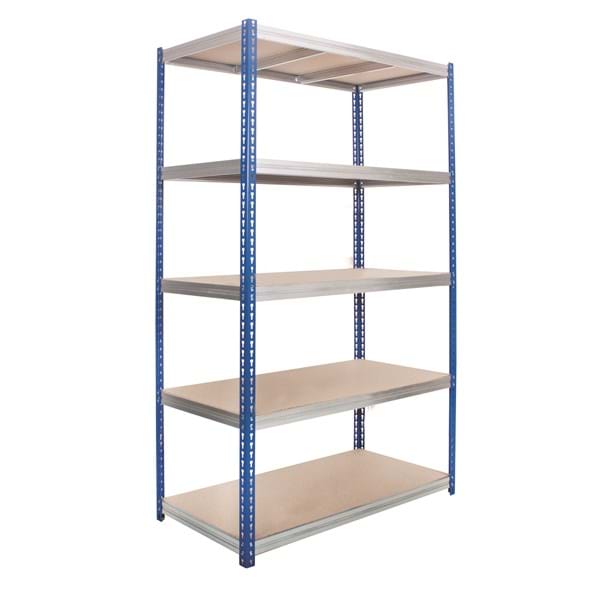
Heavy Duty Shelving: Built to Handle the Toughest Storage Challenges

In demanding environments like warehouses, workshops, factories, and stockrooms, not just any shelving will do. You need storage that’s built to take the weight, handle daily use, and remain reliable over time. That’s where heavy duty shelving comes in — offering unmatched strength, stability, and adaptability for serious storage needs.

What Is Heavy Duty Shelving?

Heavy duty shelving refers to industrial-grade storage systems designed to support large or heavy items. Typically made from strong materials such as reinforced steel, this type of shelving can handle significantly more weight than standard domestic options.

Whether you’re storing tools, machinery, parts, stock, or equipment, heavy duty shelving ensures you have a safe, secure, and efficient solution to maximise your space and keep operations running smoothly.

Key Benefits of Heavy Duty Shelving

  1. High Weight Capacity
    The most obvious benefit is the sheer load-bearing strength. Many systems can hold hundreds of kilos per shelf, making them ideal for heavy or bulk items.
  2. Long-Term Durability
    These units are built for longevity. Powder-coated or galvanised finishes resist rust, scratches, and general wear and tear, even in high-traffic environments.
  3. Safety and Stability
    When storing heavy or valuable items, stability is essential. Heavy duty shelving reduces the risk of
Read More
AutomotiveBusinessEntertainmentFinanceGeneral ArticleGlobal NewsHealthHomeReal EstateSportTechnologyTravel

Controlling Dust in Industrial Environments: Why Dust Suppression Matters

Dust may seem like a minor inconvenience, but in many industrial environments, it presents a serious hazard. From health risks to environmental impact, airborne dust particles can create problems across multiple sectors—including construction, mining, waste management, agriculture, and manufacturing. That’s why effective dust suppression is not just a nice-to-have—it’s a vital component of site safety and regulatory compliance.

The Risks of Industrial Dust

Fine dust particles can be generated through a range of everyday activities, including cutting, crushing, grinding, handling dry materials, and vehicle movement on unpaved roads. When this dust becomes airborne, it can pose significant health risks to workers, including respiratory problems such as asthma, chronic bronchitis, and even lung cancer from prolonged exposure to substances like silica or asbestos.

Beyond health, there are operational and environmental consequences too. Dust can settle on machinery, causing wear and tear, reducing efficiency, and increasing maintenance costs. In some cases, dust particles can also pose a combustion risk if left to accumulate in enclosed spaces.

Regulatory Requirements and Industry Standards

The control of dust is not just about improving working conditions—it’s also about meeting legal obligations. The Health and Safety Executive (HSE) in the UK, for example, has clear guidelines on …

Read More